
Parking Intelligence
A car park knows much more than how many spaces are occupied
Looking at zones, time of day and dwell time helps operators ask better questions about how their car park is used.
Cassiano Zanetti Updated
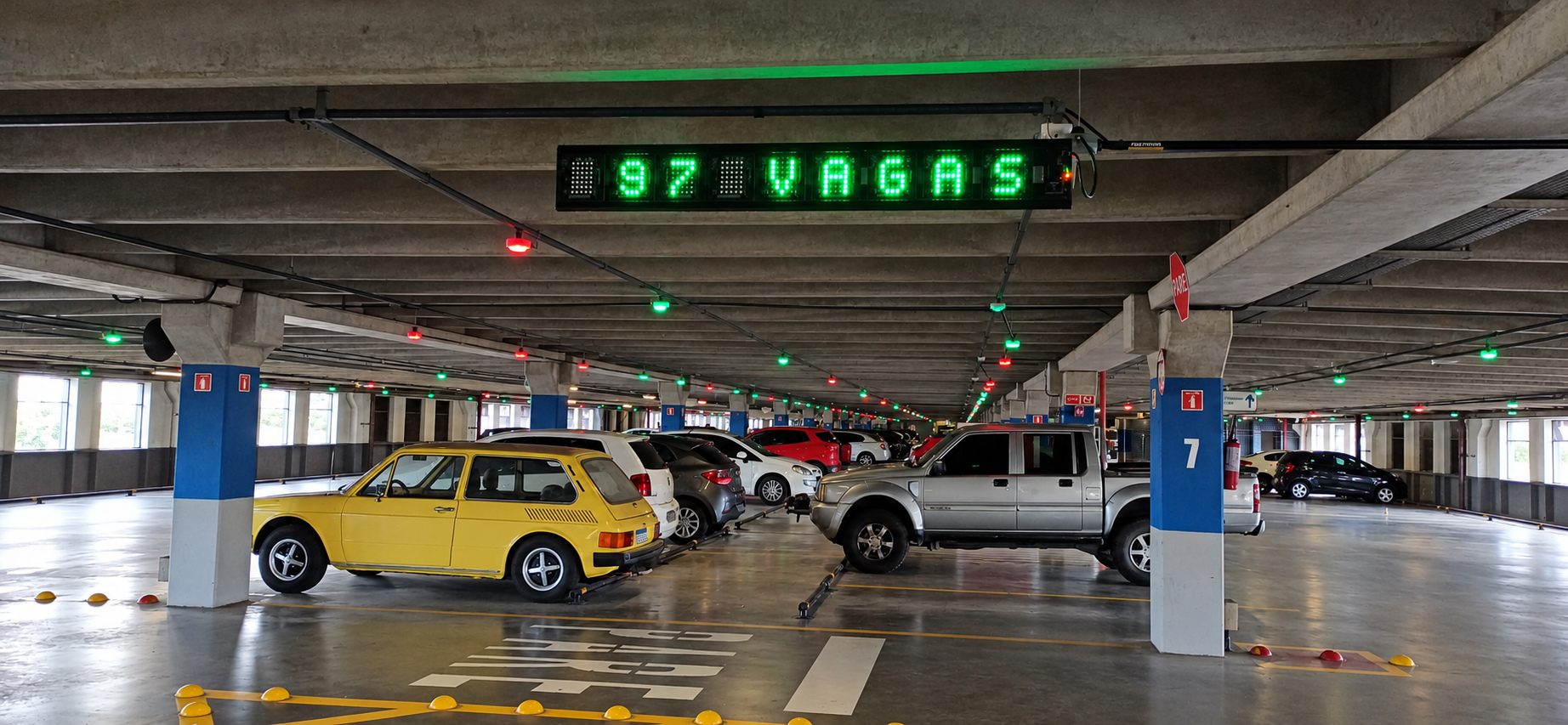
The total does not tell the whole story.
Two areas can have very different occupancy at the same moment. An aggregate total does not, on its own, explain where vehicles are concentrated or which zones are underused.
Looking at the distribution by zone and level supports more precise questions. Does the signage direct drivers towards available areas? Does one zone remain underused while another approaches capacity?
Time of day changes the picture.
The original post also highlights peaks and quieter periods. Comparing different time windows helps distinguish an isolated situation from a recurring pattern.
That comparison needs context: opening hours, events and gaps in collection. A period without data should not automatically be interpreted as an empty car park.
Dwell time is a different question from occupancy.
As well as asking whether a bay is occupied, an operator can examine how long it has remained occupied when a suitable history is available. The post identifies unusually long stays as a point worth investigating.
The definition of an extended stay must fit the operation. A useful threshold for a supermarket may not be appropriate for a hospital or a different type of facility.
Turn questions into decisions.
The value of information depends on how it is used. Identifying popular zones, comparing periods and examining extended stays can inform a review of signage, bay allocation or operating procedures.
This does not mean attributing every result to the system or promising gains without measurement. Start with the question, confirm data quality and assess the outcome of each change.
Interpret data in the right context
How long a bay remains occupied does not, by itself, identify the person or vehicle. Occupancy events need to be interpreted according to the data collection and project configuration.
Available history, zone and bay-type configuration, metrics, alert rules and report formats must be confirmed in the contracted scope. This article does not announce universal integrations or automated reports.
Editorial adaptation of Cassiano Zanetti’s Portuguese LinkedIn post of 28 October 2026. The link opens the original publication.
Read the original LinkedIn post (Portuguese)The starting point is simple: which decision about your car park would you like to make better?